Dlaczego uszkodzenia kabli zdarzają się częściej na zakrętach
W podziemnych instalacjach kablowych uszkodzenia kabli często pojawiają się na wejściach do kanałów, studzienkach kanalizacyjnych, ostrych zakrętach i punktach zwrotnych. Miejsca te powodują większy docisk pomiędzy osłoną kabla a krawędzią uziemienia lub kanału. Gdy kierunek ciągnięcia nagle się zmienia, tarcie wzrasta, a powierzchnia kabla może ulegać ścieraniu, ściskaniu lub niestabilnemu ruchowi.
W przypadku instalacji kabli zasilających, budowy kanałów telekomunikacyjnych i projektów infrastruktury użyteczności publicznej kwestia ta nie dotyczy tylko wydajności instalacji. Uszkodzona osłona kabla może mieć wpływ na długoterminową ochronę izolacji, szczególnie w środowiskach zewnętrznych lub zakopanych, gdzie trudniej jest kontrolować wilgotność, ciśnienie i warunki glebowe.
Co robi narożny wałek uziemiający z trzema krążkami
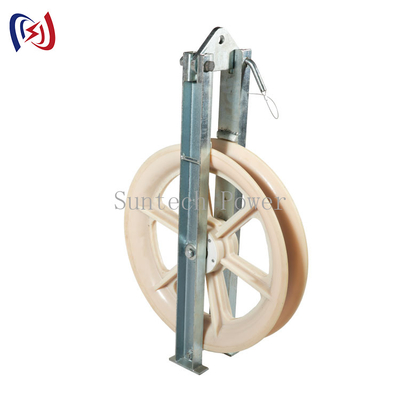
Narożny wałek uziemiający z trzema krążkami przeznaczony jest do prowadzenia kabli wokół zakrętów podczas ciągnięcia. Zamiast pozwalać, aby kabel ocierał się bezpośrednio o beton, stalowe krawędzie lub otwory kanałów, kabel biegnie po trzech rolkach. Taka struktura pomaga stworzyć płynniejszą ścieżkę skrętu i zmniejsza bezpośrednie tarcie na zakrętach.
W przypadku ciągnięcia kabli pod dużym obciążeniem szczególnie ważna jest konstrukcja rolek. Pokazany produkt ma konstrukcję trójkrążkową i jest przystosowany do ciągnięcia narożników w kanałach. Model SHL3 ma obciążenie znamionowe 10 KN i obsługuje kable o średnicy do Ø150 mm, dzięki czemu nadaje się do średnich i ciężkich zadań związanych z instalacją kabli podziemnych.
Kluczowe parametry, które kupujący powinni sprawdzić
Wybierając narożny walec szlifowany, kupujący powinni unikać oceniania wyłącznie na podstawie wyglądu produktu. Kilka parametrów technicznych ma bezpośredni wpływ na to, czy walec nadaje się do miejsca pracy.
Obciążenie znamionowe
Obciążenie znamionowe określa nośność mechaniczną rolki podczas ciągnięcia liny. Obciążenie znamionowe 10 KN jest przydatne w zastosowaniach, w których stosowane są cięższe kable zasilające lub dłuższe ścieżki ciągnięcia. Ten parametr pomaga wykonawcom dopasować walec do oczekiwanych warunków uciągu, zamiast polegać na ogólnych opisach, takich jak „wytrzymałe”.
Odpowiednia średnica kabla
Średnica kabla jest kolejnym krytycznym czynnikiem. Model SHL3 obsługuje kable o średnicy do 150 mm. Jeżeli lina jest zbyt duża w stosunku do konstrukcji rolkowej, prowadzenie może stać się niestabilne, a lina może nie być prawidłowo osadzona na krążkach. W przypadku większych projektów w tej samej serii dostępne są również modele obsługujące do Ø200 mm.
Struktura rolkowa
Konstrukcja z trzema krążkami zapewnia wsparcie kabla w punktach zwrotnych. W porównaniu z pojedynczym punktem styku, trzy rolki mogą pomóc w utrzymaniu bardziej kontrolowanej ścieżki kabla w narożnikach. Jest to szczególnie istotne w przypadku kanałów podziemnych, tuneli użyteczności publicznej i infrastruktury telekomunikacyjnej, gdzie trasa kablowa rzadko jest całkowicie prosta.
Jak to pomaga w rzeczywistych scenariuszach miejsca pracy
Przy przeciąganiu kabli kanałowych wykonawcy często pracują na ograniczonej przestrzeni, na nierównym podłożu i przy stałych kierunkach ciągnięcia. Rolkę narożną można ustawić w pozycji obrotowej, aby poprowadzić kabel bezpieczniejszą ścieżką. Pomaga to ograniczyć niekontrolowane przeciąganie i zapewnia większą przewidywalność ruchu kabla podczas instalacji.
W przypadku zespołów zajmujących się budową obiektów użyteczności publicznej korzyść nie polega na żądaniu stałego procentu poprawy. Praktyczna wartość polega na dopasowaniu sprzętu do rozmiaru kabla, zapotrzebowania na obciążenie i układu narożników. Trójkrążkowy wałek uziemiający o wytrzymałości 10 KN do kabli o średnicy do 150 mm zapewnia inżynierom mierzalne dane potrzebne do doboru sprzętu i planowania projektu.
Wniosek
Uszkodzenia kabli w narożach pozostają częstym wyzwaniem w podziemnych instalacjach kablowych. Narożny wałek szlifowany z trzema krążkami stanowi praktyczne rozwiązanie prowadzące do zastosowań związanych z ciągnięciem kanałów i ostrymi zakrętami. Wybierając tego typu rolki kablowe, wykonawcy powinni skupić się na obciążeniu znamionowym, zakresie średnic kabli, konstrukcji rolek i układzie miejsca pracy. Te mierzalne specyfikacje pomagają w bezpieczniejszym i bardziej kontrolowanym przeciąganiu kabli w projektach energetycznych, telekomunikacyjnych i infrastrukturalnych.


 Twoja wiadomość musi mieć od 20 do 3000 znaków!